
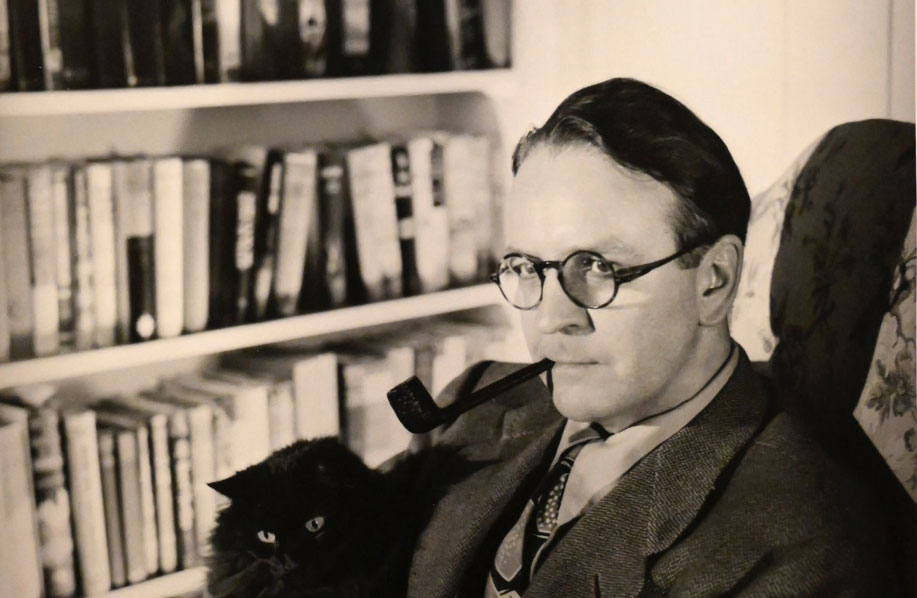
BIOGRAPHY
Born to Irish-American parents in 1888, Chandler moved to South London at age seven. Following his mother’s divorce from his alcoholic father, the family relied on the generosity of Chandler’s uncle, a lawyer in Ireland. He was educated at Dulwich College, where his classical foundation was laid. He shared a classics master with PG Wodehouse and CS Forester, author of The African Queen.
These were hardly the credentials for a writer who would become the definitive voice of 1930s Los Angeles. Yet, Chandler captured the vice and sin of a city fueled by oil men, the wild new film industry, and the desperate hinterlands of the Great Depression.
After drinking himself out of a high-paying salary man job at an oil company at the age of 44, Chandler turned to a different bottle: a bottle of ink. From it, he created his alter ego, Philip Marlowe.
Marlowe moved through moral turpitude and corruption in pursuit of justice and poetry, however rough. It was a love-hate relationship with the urban sprawl from a man who still loved the English countryside. “Down these mean streets a man must go who is not himself mean,” Chandler famously wrote.
Chandler was no angel. His life oscillated between whiskey, women, and sobriety. But that tension produced the most memorable novels of the era, beginning with The Big Sleep in 1939. His writing was too fine to be a mere thriller, yet too violent for a standard novel. W.H. Auden once remarked that Chandler’s “powerful but extremely depressing books should be read and judged, not as escape literature, but as works of art.”
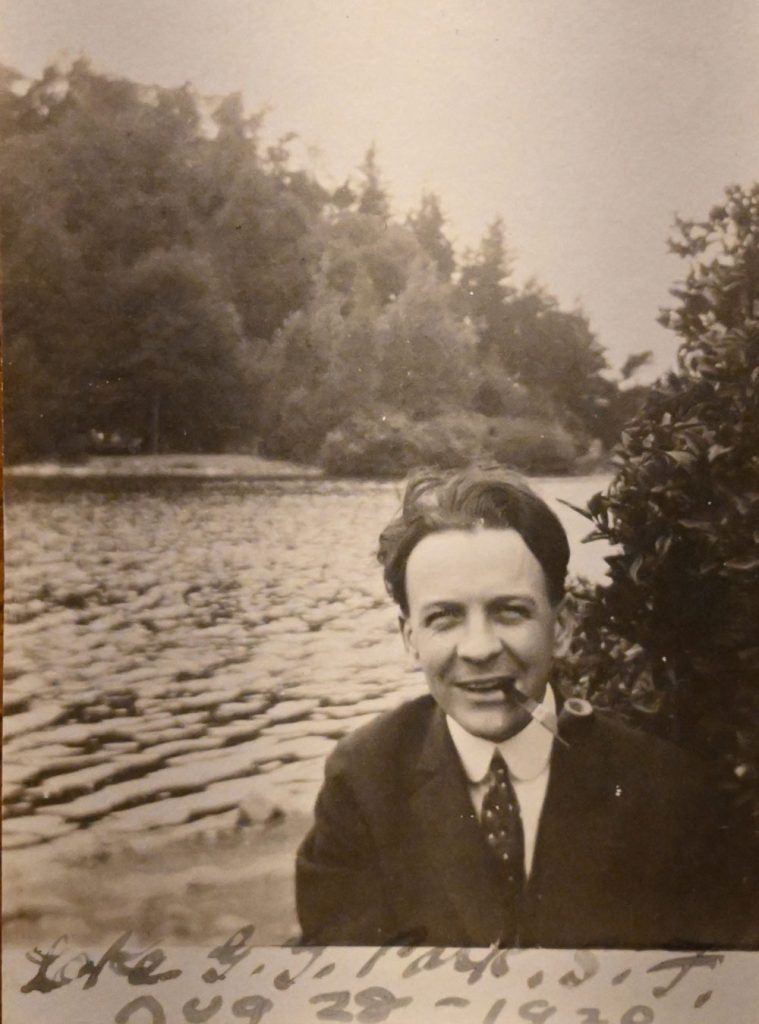
Raymond Chandler by the lake, August 29th 1920.
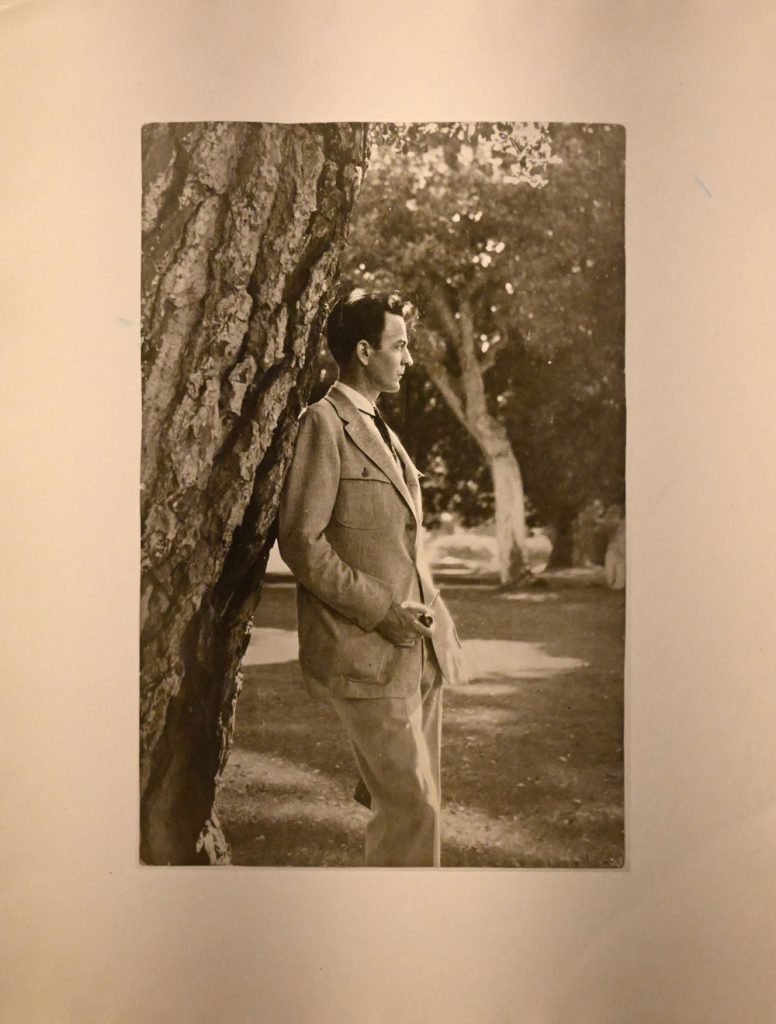
Raymond Chandler by a tree, unkown date.
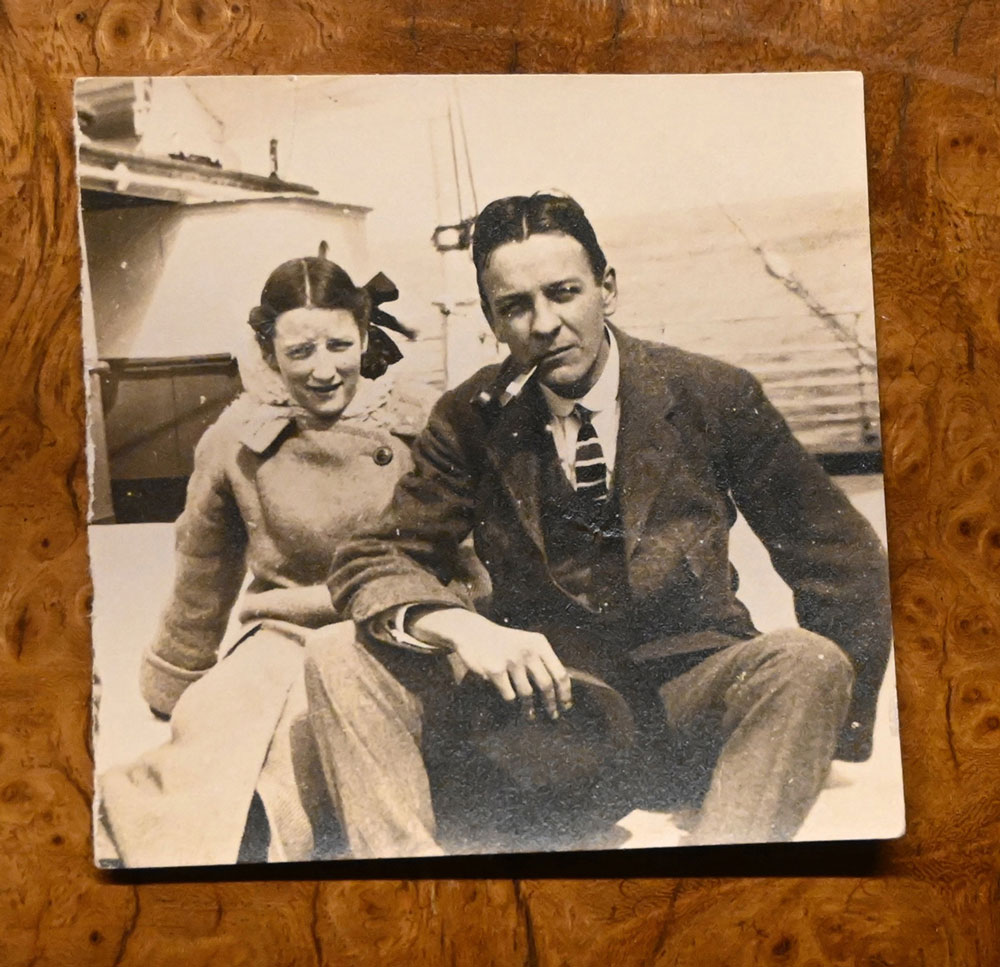
Raymond Chandler with unknown woman.
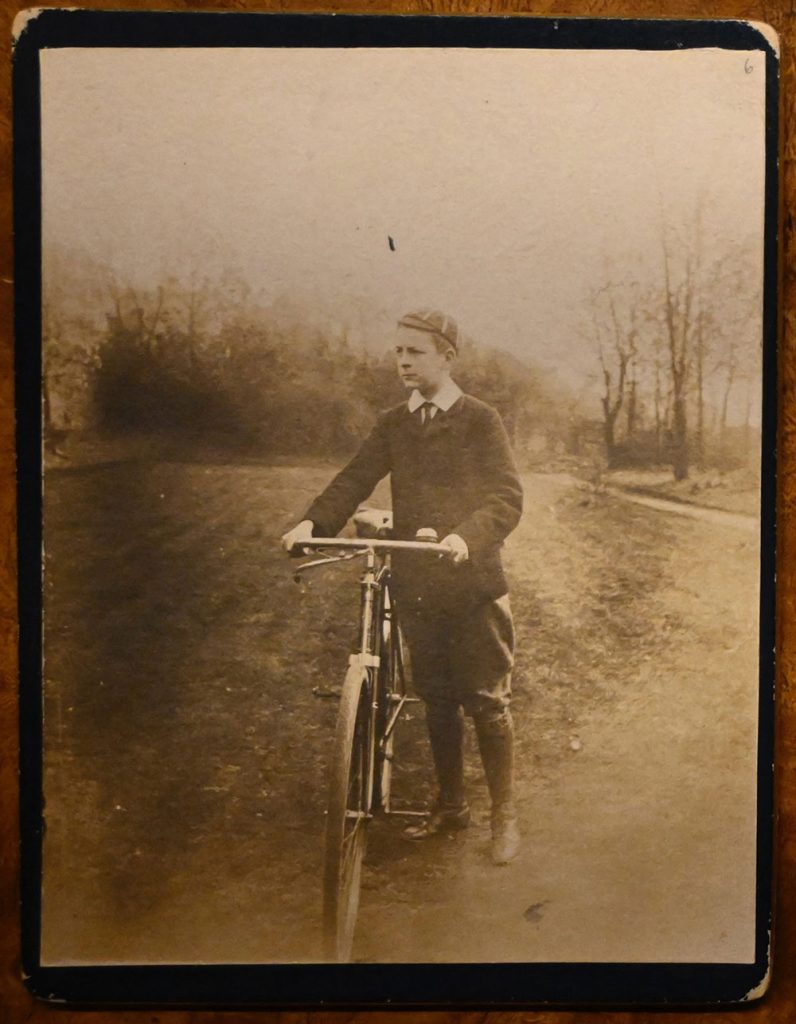
Raymond Chandler as an English schoolboy at Dulwich College.
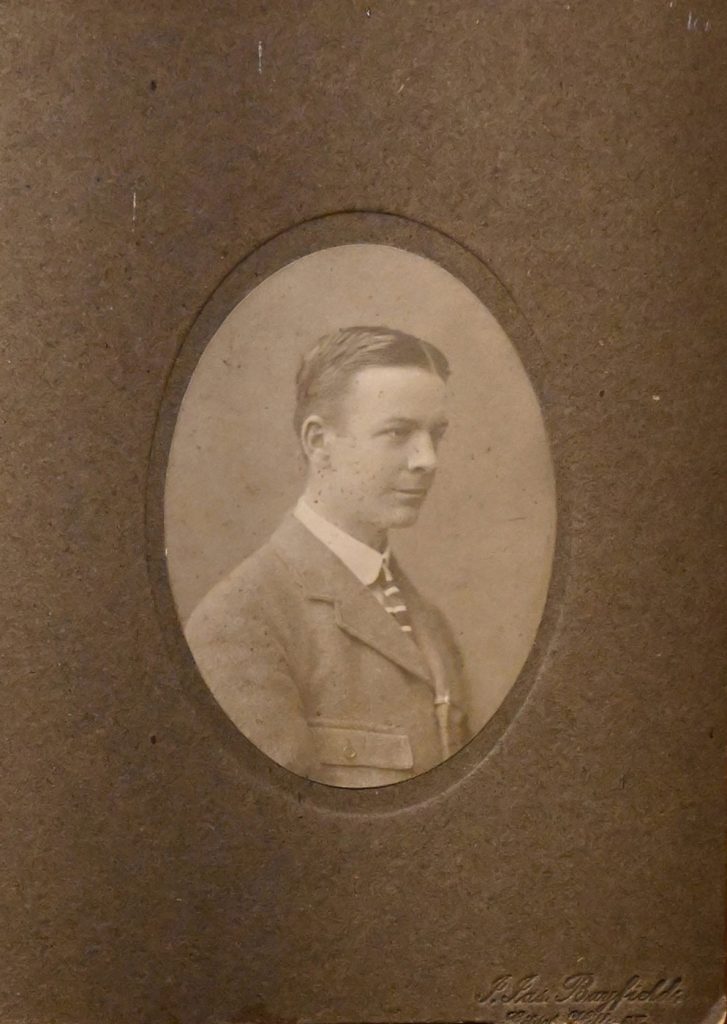
Raymond Chandler as a young man photographed at J. Bayfield Studio Gipsy Hill, Norwood, London.
CHILDHOOD
Born to Irish-American parents in 1888, Chandler moved to South London at age seven. Following his mother’s divorce from his alcoholic father, the family relied on the generosity of Chandler’s uncle, a lawyer in Ireland. He was educated at Dulwich College, where his classical foundation was laid.
AN ENGLISHMAN IN LOS ANGELES
Chandler studied languages in France and Germany to prepare for the Civil Service. He spent six months as a clerk in the Admiralty and attempted to break into journalism on Fleet Street before admitting defeat. He returned to the United States sounding so English that he was nicknamed Lord Something-or-Other. He later recalled arriving in California with a beautiful wardrobe, a public school accent, and no practical gifts for earning a living.
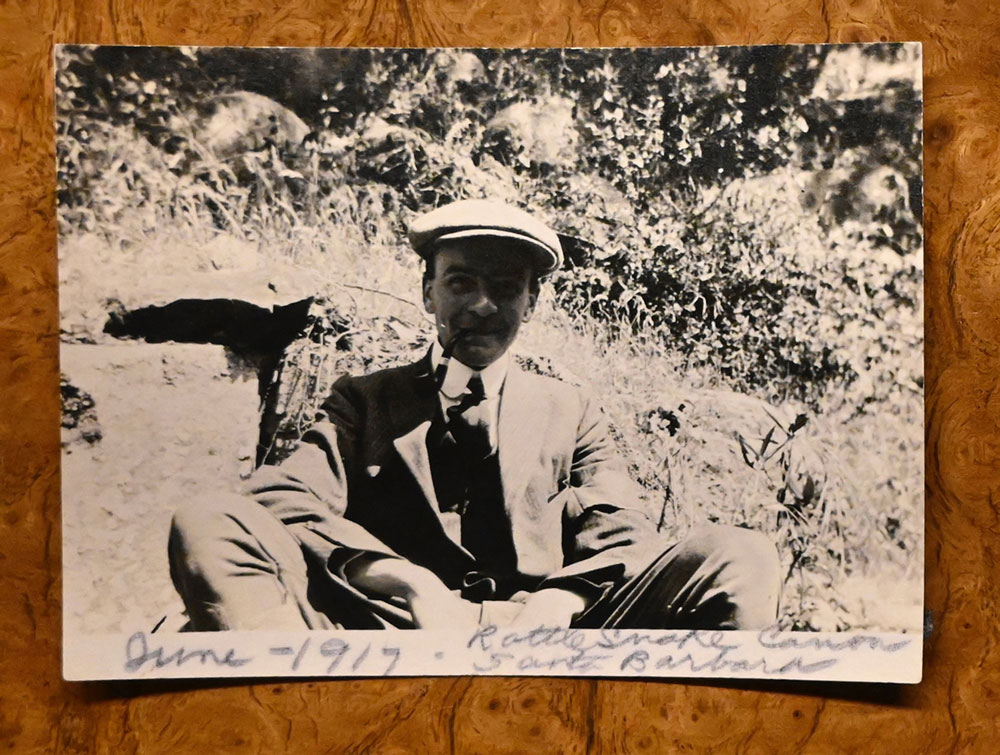
Raymond Chandler in Rattlesnake Canyon, Santa Barbara, June 1917.
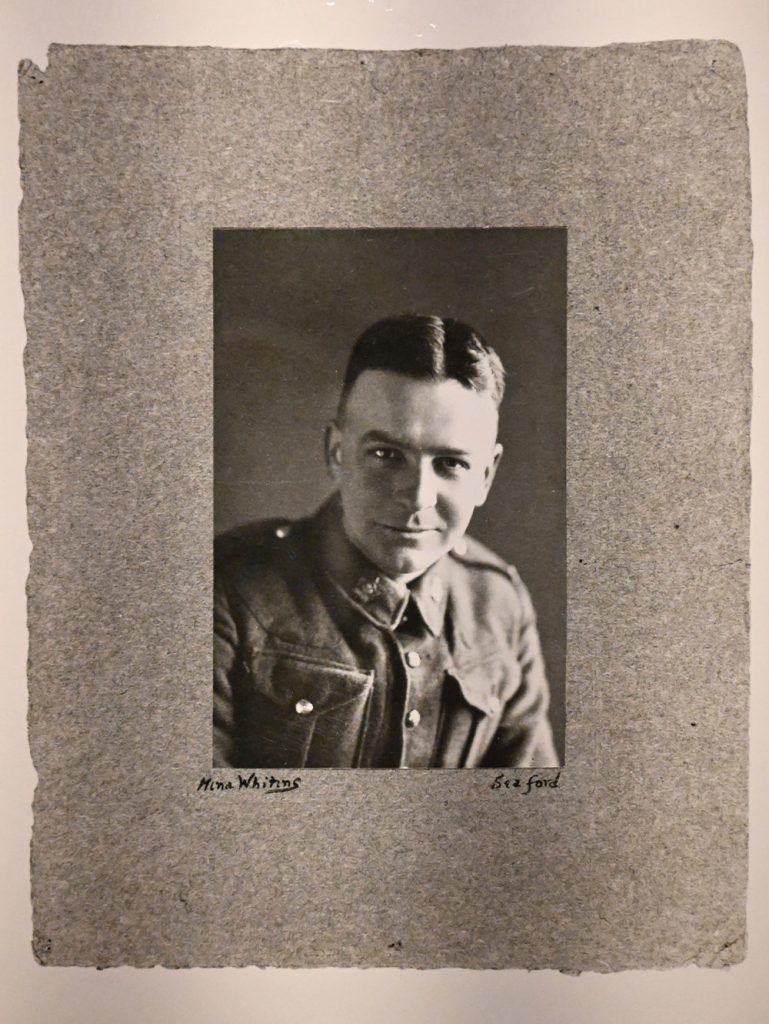
Raymond Chandler in his uniform.
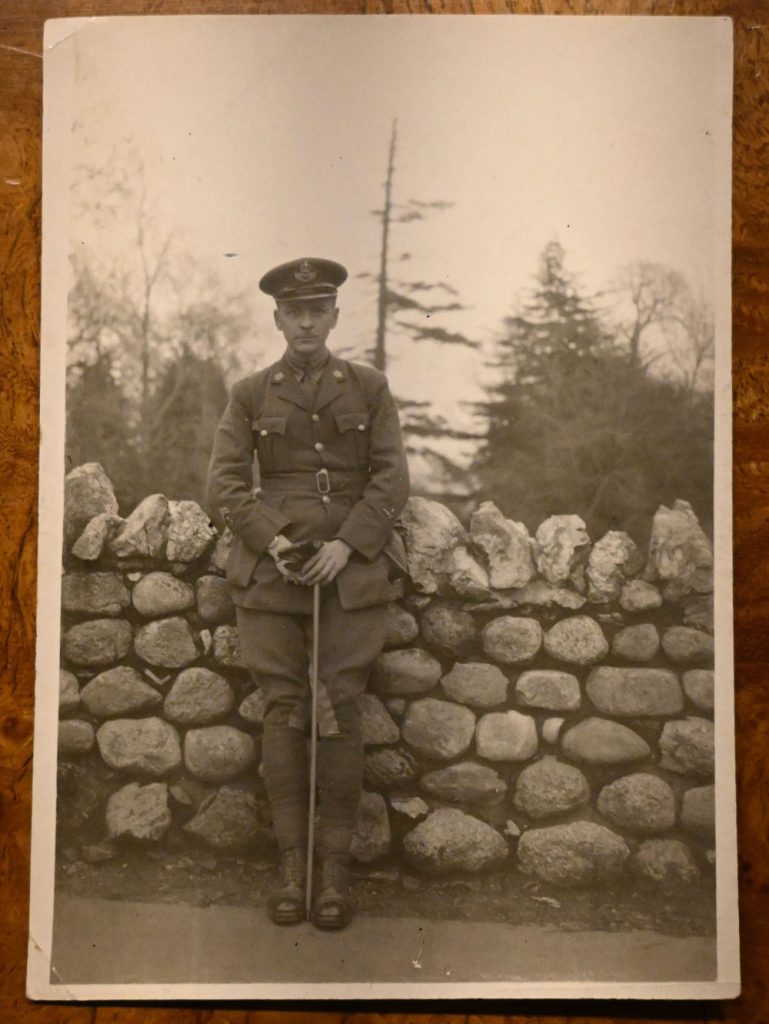
Raymond Chandler in 1918 in his RAC uniform.
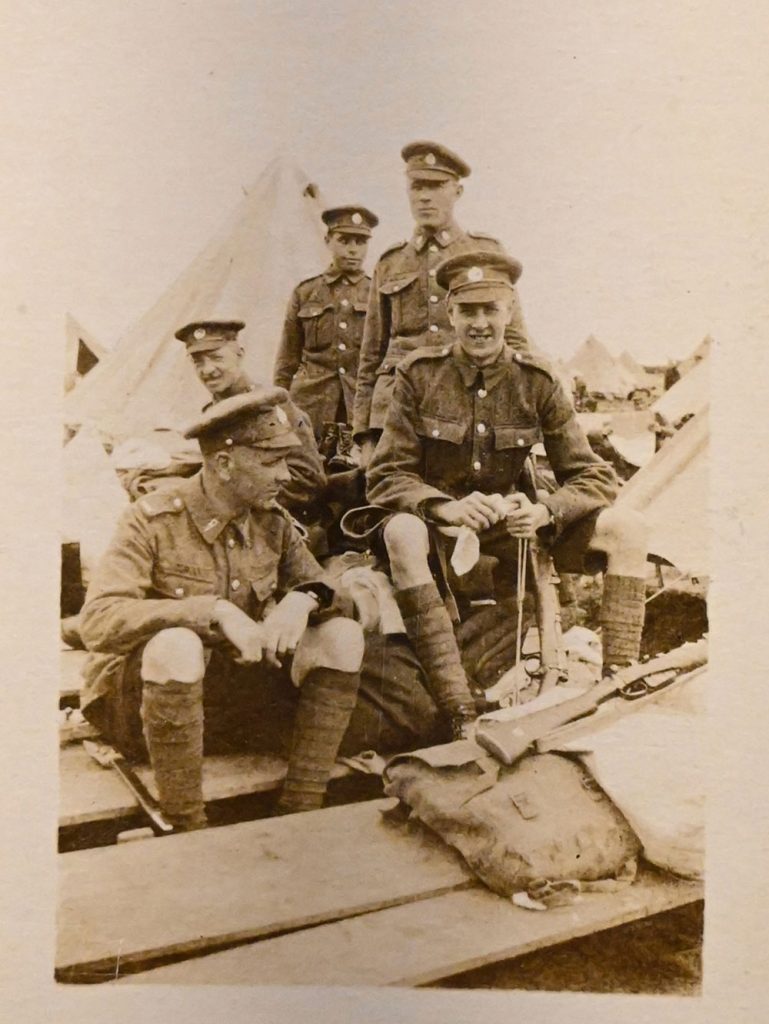
Raymond Chandler sitting closest to the camera.
THE WAR YEARS
In 1917, Chandler joined the Canadian Expeditionary Force. He served in the trenches in France and was shell-shocked during German artillery barrages. Some biographers suggest the horrors of the Great War contributed to his later fascination with the violence of the crime scene.
CISSY
Returning to the U.S. in 1919, Chandler shunned a conventional marriage in favor of a love affair with Cissy Pascal. She was a strawberry blonde 18 years his senior who was still married at the time and who is said to have liked doing housework in the nude. Chandler waited until his disapproving mother passed away before finally making Cissy his wife.
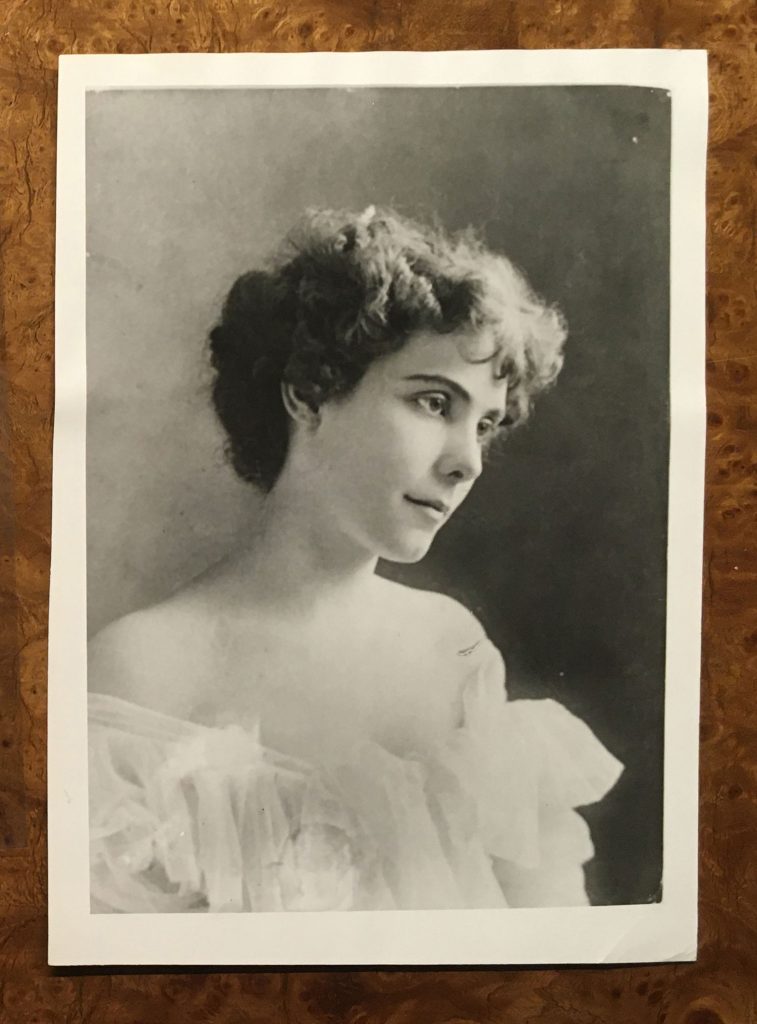
Cissy Pascal (1870-1954) born Pearl Euginie Hurlburt.
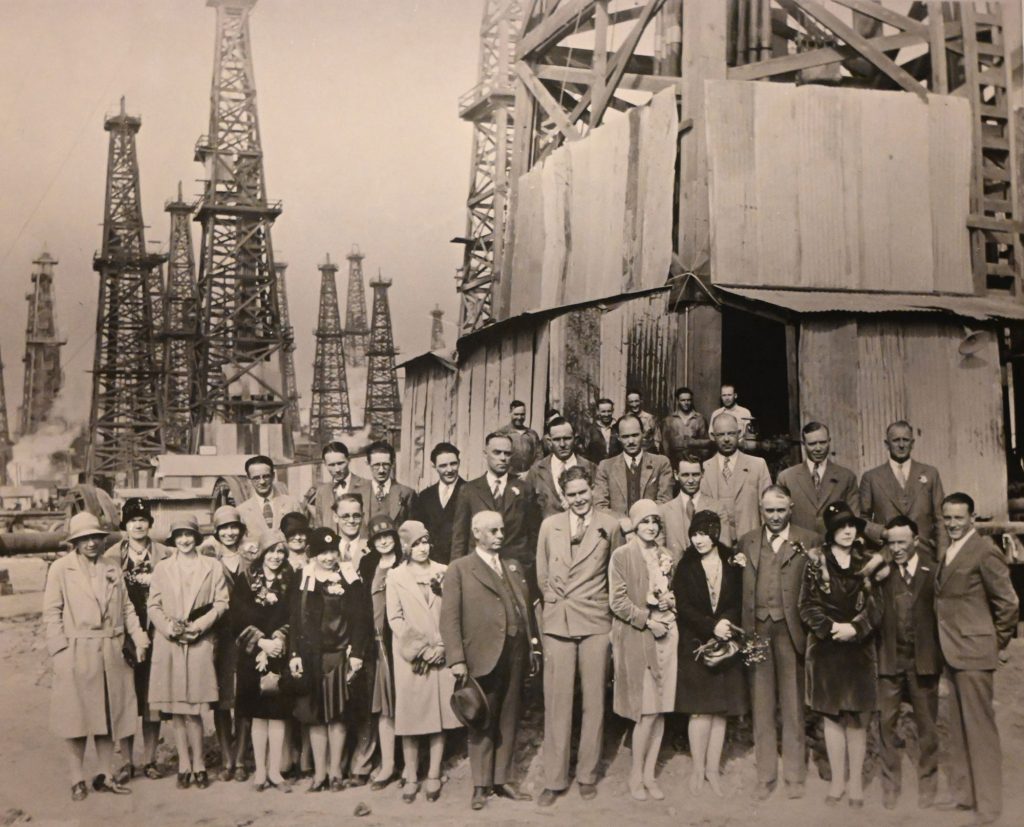
Raymond Chandler at a Californian oil field (middle row far left).
THE OIL-MAN YEARS
Chandler rose rapidly from bookkeeper to Vice President of the Dabney Oil Company, as Los Angeles boomed off the back of the derricks. However, by 1932, his alcoholism, absenteeism, and a reputation for chasing secretaries led to his dismissal. It was the height of the Great Depression, and he was forced to turn to another bottle: a bottle of ink.
BLACK MASK AND SUCCESS
He began writing for Black Mask, the seminal pulp magazine, alongside Dashiell Hammett. He refined the private eye archetype with rapid-fire action and a surprisingly witty prose style. In 1939, he published The Big Sleep. Set in a rain-soaked Los Angeles, the novel was eventually turned into a legendary film starring Humphrey Bogart and Lauren Bacall.
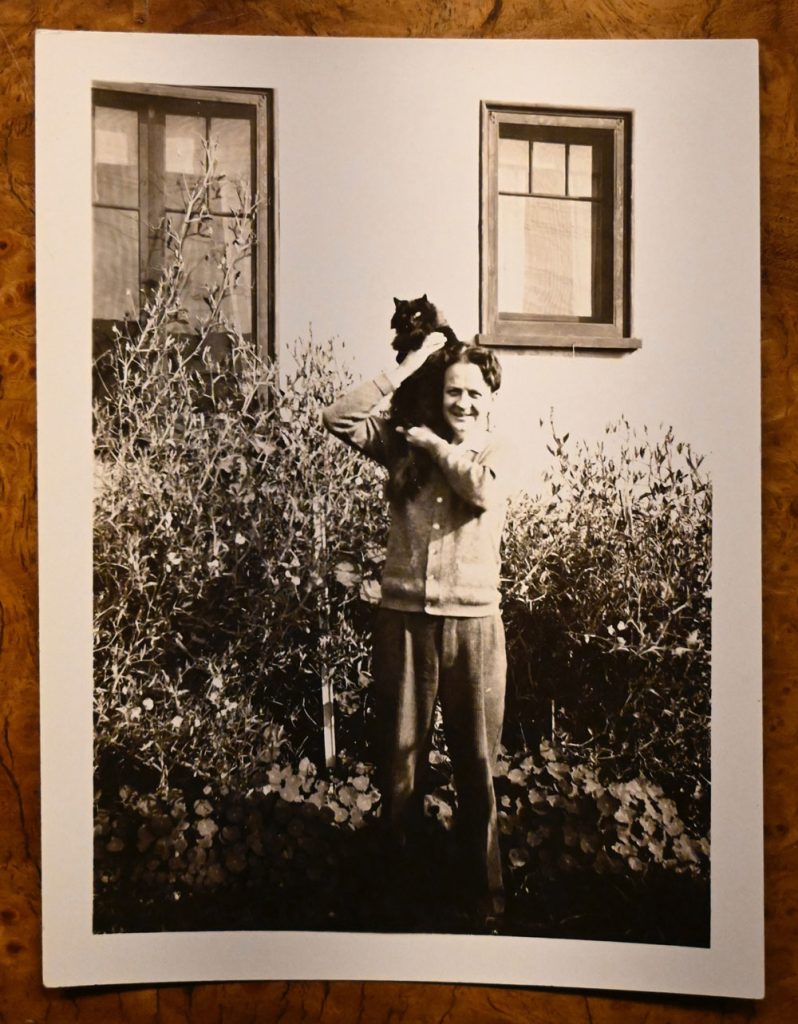
Raymond Chandler and his black Persian cat, Taki.
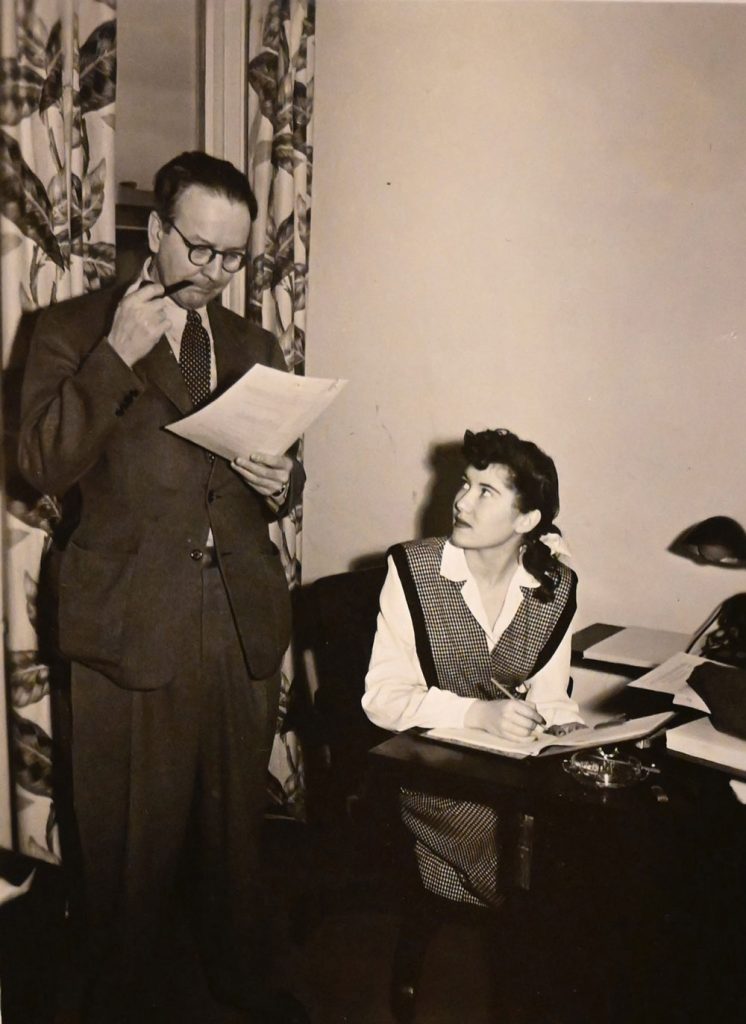
Raymond Chandler at Paramount c. 1943.
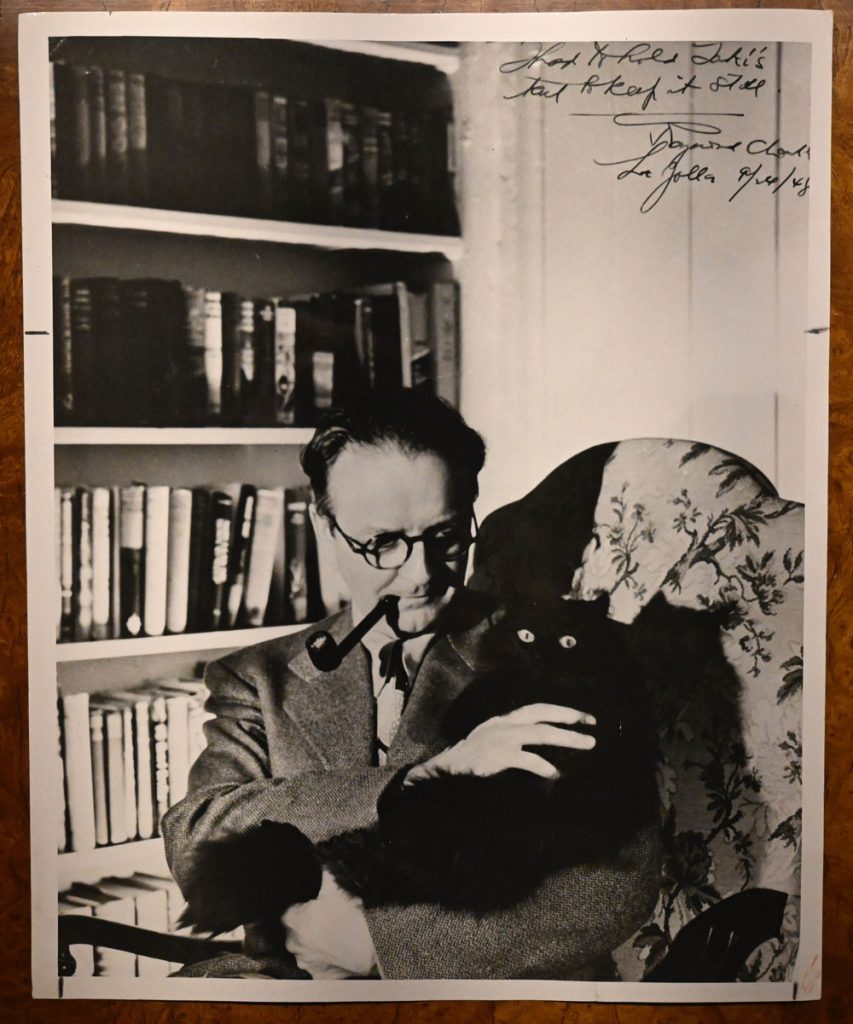
“I had to hold Taki’s tail to keep it still” Raymond Chandler, La Jolla, 09,14, 1948.
THE HARD-BOILED MASTER
Between 1940 and 1943, Chandler produced Farewell, My Lovely, The High Window, and The Lady in the Lake. These works established him as the founder of the hard-boiled school of writing. Hollywood soon came calling for his skills as a screenwriter. He accepted begrudgingly: he found the collaborative studio system frustrating. Nevertheless he earned Academy Award nominations for Double Indemnity and The Blue Dahlia.
LA JOLLA AND GRIEF
In 1946, Chandler and Cissy moved to the chic suburb of La Jolla. There, he wrote his masterpiece, The Long Goodbye. When Cissy died in 1954 after thirty years of marriage, Chandler was heartbroken. In a drunken suicide attempt, he fired a pistol in his bathroom but missed (too drunk to aim at his own head, he said later) . He was rescued by police and briefly committed to a psychiatric ward.
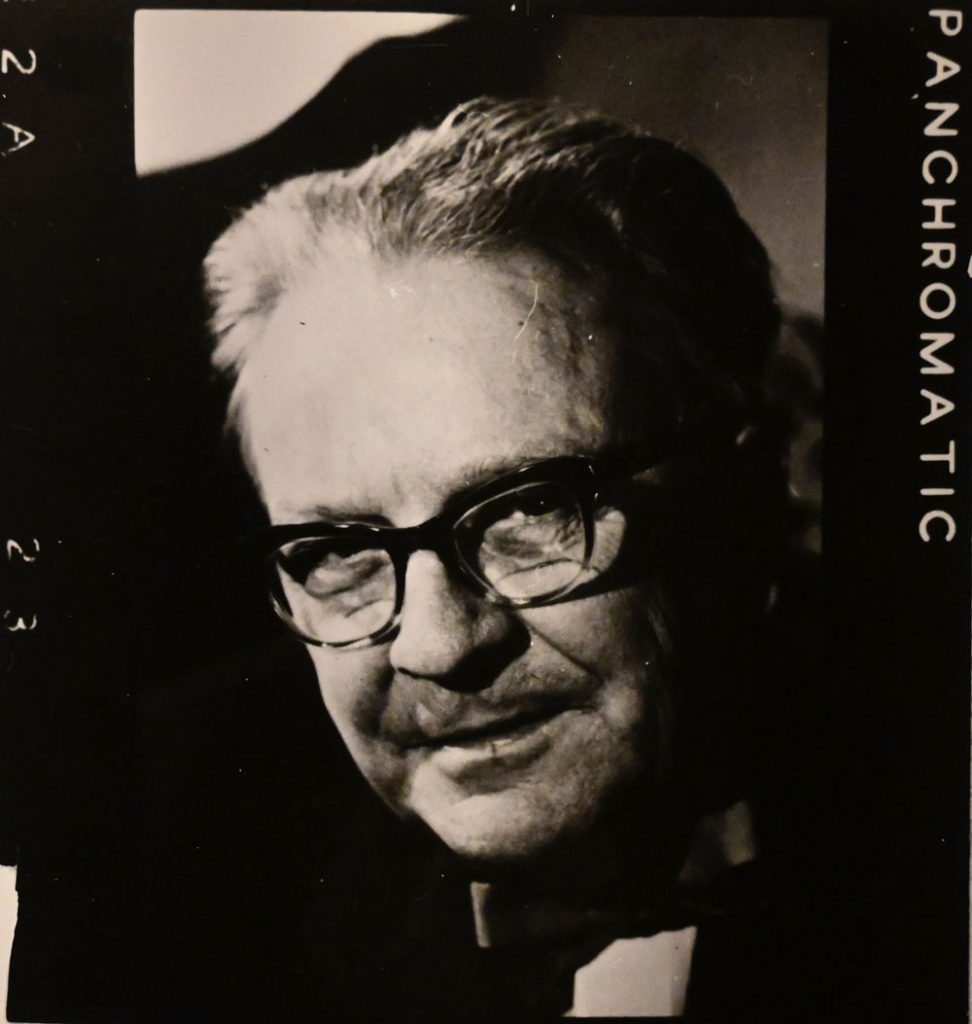
Portrait of Raymond Chandler by Douglass Glass.
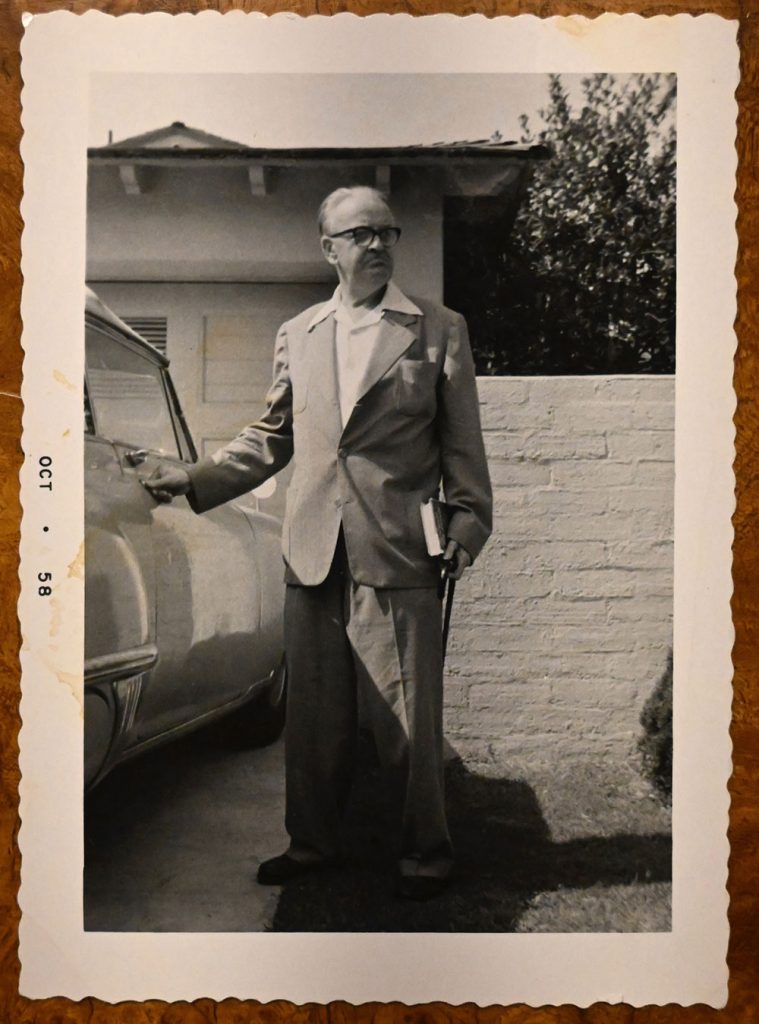
Raymond Chandler, October 1958.
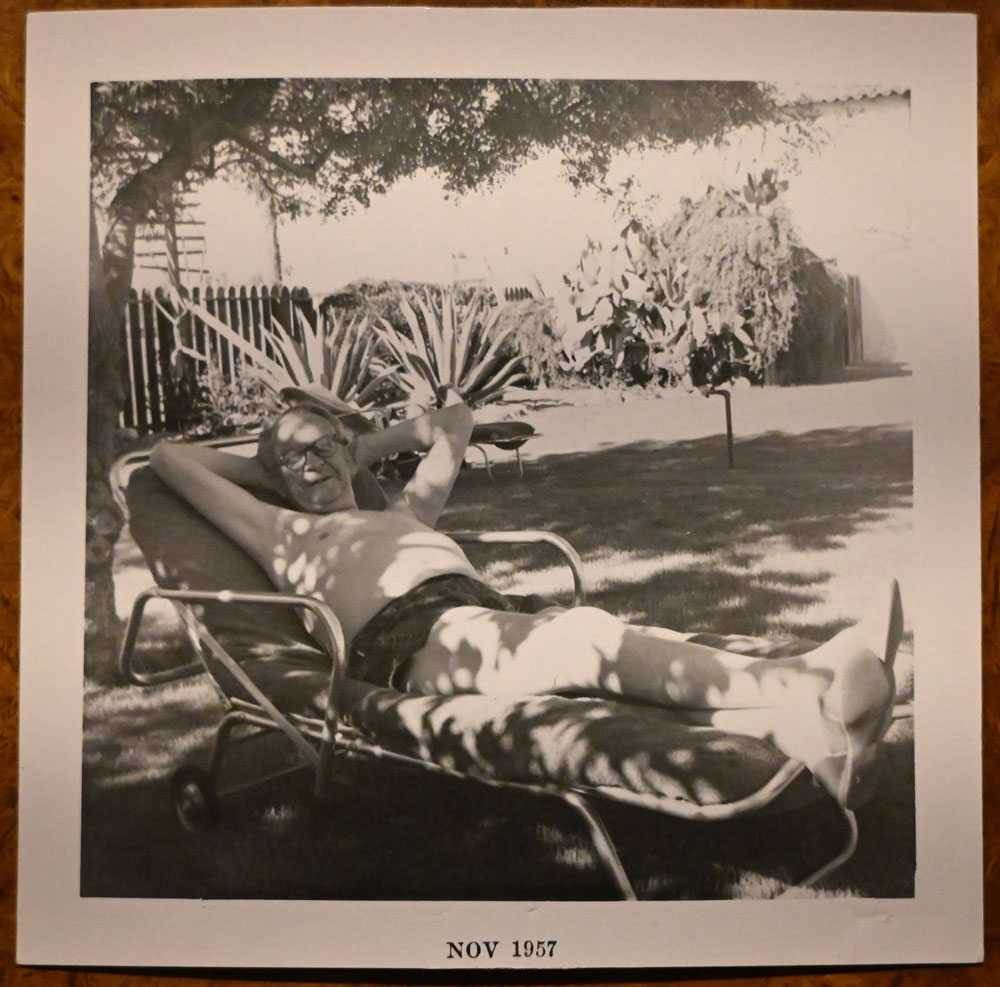
Raymond Chandler, November 1957.
THE FINAL YEARS
Following Cissy’s death, Chandler sold their home and became nomadic. He spent much of his time in London, where he was celebrated by the British literary establishment. He formed close friendships with figures such as Ian Fleming, W.H. Auden, and Stephen Spender’s wife, the concert pianist Natasha Spender.
His health was failing but he continued to write, eventually returning to La Jolla. He died there in 1959 at the age of 70. Chandler left behind one final completed novel, Playback, and the opening chapters of Poodle Springs.
His funeral was attended. In 2011, Cissy’s ashes were interred with his, and a headstone was was erected with a quote from his novel The Big Sleep: “Dead men are heavier than broken hearts”